Dust Monitoring
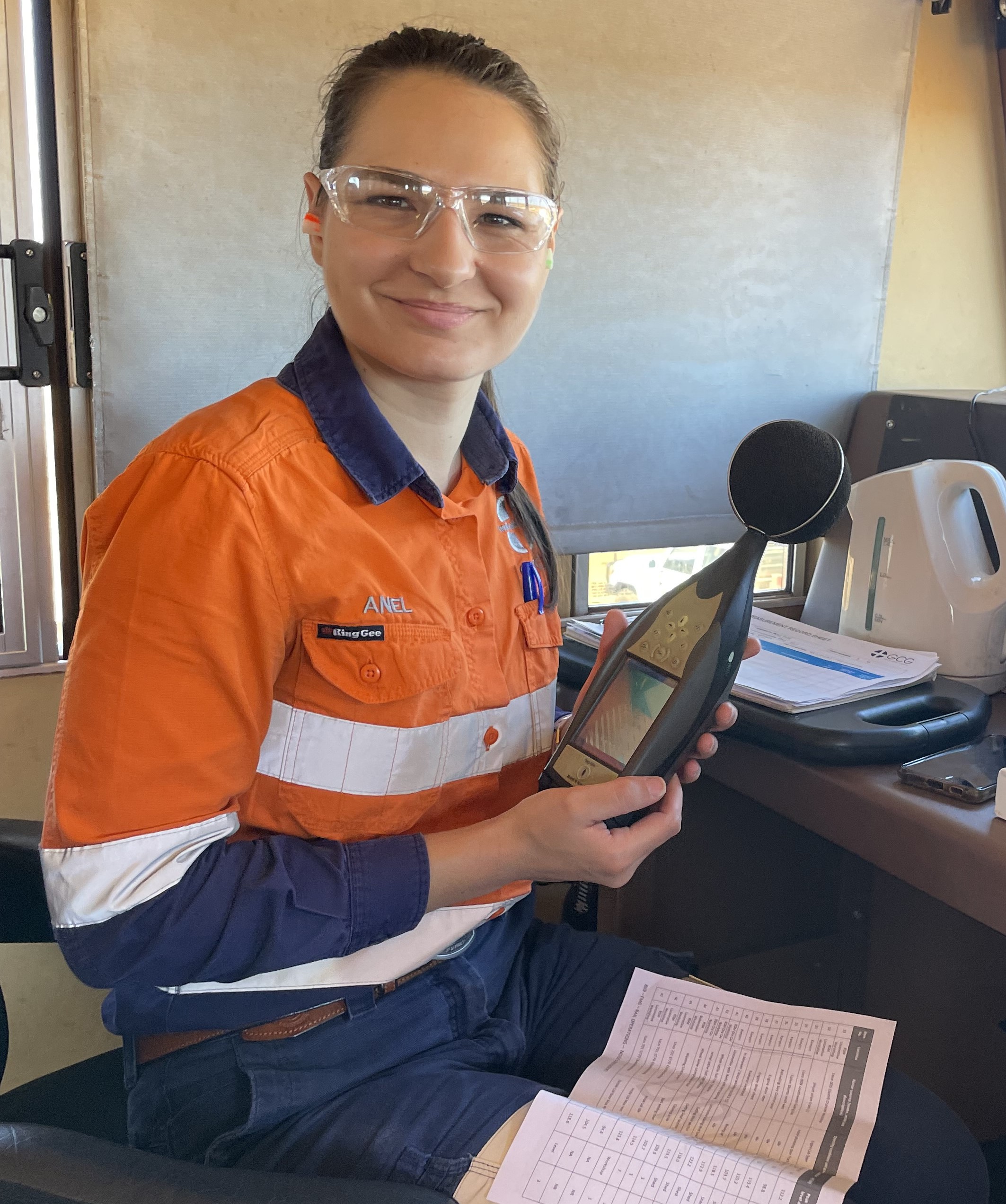
GCG provides dust monitoring services for inhalable and respirable dust, following applicable Australian regulations and industry standards.
We also provide advanced real-time monitoring services using our innovative technologies to help you reduce your workers’ exposure to dust faster.
- Compliance-based monitoring for mining, construction and manufacturing industries
- Real-time dust monitoring
- Health risk assessment (HRA)
- Personal dust exposure sampling
- Dust control verification through static and real-time monitoring
- Statistical review of dust monitoring programs
Get a Quote
Compliance-based dust monitoring programs
GCG provides dust monitoring services for inhalable and respirable dust, following relevant Australian industry standards and regulations.
GCG has three in-house NATA-accredited laboratory facilities, allowing us to process gravimetric analysis of inhalable and respirable samples to deliver a prompt turnaround for our clients.
Learn More
Real-time dust monitoring for enhanced worker safety
GCG is an innovator in dust monitoring technology and has developed a suite of advanced technologies, including our Exposi Hygiene Management System, to help you keep your workers safe from exposure to dust.
Legislative requirements and compliance regulations have not kept up with advancements in dust monitoring technology available to reduce worker exposure to dust. With real-time monitoring technologies, improvements can be made to worker safety to meet compliance requirements and go beyond and ensure workers are provided the best protection against exposure to dust.
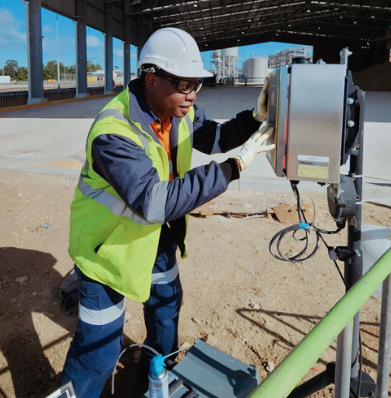
Our Workplace Area Real-time Monitoring Technologies monitor worker exposure to potentially harmful dusts, second-by-second and deliver dust control intelligence around the clock so you can make smarter, faster decisions to protect your workers.
Area Real-Time Monitoring
Real-time area dust monitoring provides immediate information about worker exposure to harmful dust in their workplace.
- Remotely detect changes in workplace dust levels in real time.
- Confidently manage dust exposure site-wide or at a specific site location, 24/7, to create a safer working environment for your team.
Read More
Book a Demo
Exposi – Personal Real-Time Monitoring
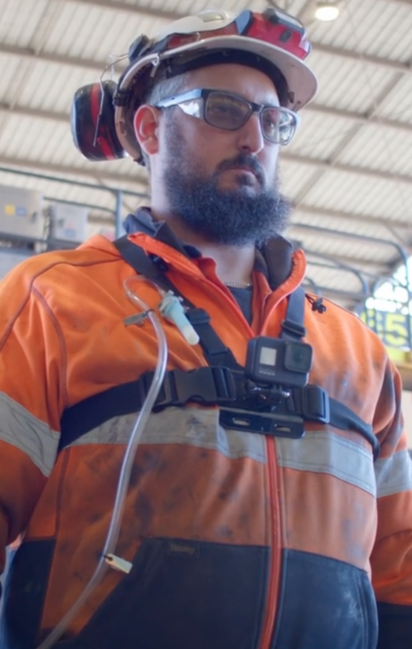
Exposi Task, our award-winning personal real-time monitoring software, is now fully integrated into Exposi — a complete occupational hygiene management platform. Exposi Task combines real-time exposure data with video to make faster, smarter control decisions, all in one place
- Integrate real-time data and video from personal exposure monitors (personal dust sampling) and wearable cameras to remove exposure blindspots and pinpoint exposures task-by-task in real time.
- See every task that exposes your workers to harmful dust allowing you to act fast to control exposures.
- Track worker exposures and manage control measures in a single cloud-based app.
- Make better and faster same-day control decisions to reduce workers’ exposure and health risks.
Read More
Book a Demo
About respirable dust and silica
Exposure to airborne particles, such as respirable dust and silica, can cause irreversible lung disease and cancer. In Australia, hundreds of workers are diagnosed with preventable lung injury yearly due to workplace dust exposure.
Work-related lung diseases have re-emerged as a global health concern, spotlighting the health risks of exposure to harmful airborne dust particles. The mining, construction and manufacturing sectors are often the focus due to the risk of silicosis and pneumoconiosis. These diseases are entirely preventable by managing exposure to airborne dust.
Airborne dust exposure monitoring
Compliance with Australian standard requirements and regulations for dust exposure is required across all industries and workplaces. Airborne dust monitoring is typically undertaken when a workplace is exposed to dust, either by the nature of the workplace activities or from an external source (such as at mining and construction sites and manufacturing operations).
The purpose of monitoring is to understand workers’ exposure and determine if dust particles in the air are safe, and/or to verify the levels of dust exposure at the workplace.
Dust monitoring typically measures respirable and inhalable dust. Inhalable dust is a particle that can be breathed into the nose or mouth and can affect the upper respiratory system. For example, inhalable dust may be generated during construction, earth moving and wood sawing activities. Respirable dust is fine inhaled airborne particles (defined by particle size) that are able to pass deep into the lungs and can cause serious lung damage. Respirable dust particles may be generated during activities such as grinding, drilling and buffing.
Dust monitoring is particularly important for businesses where there is potential for workers to be exposed to the most harmful dust including coal dust, respirable dust and crystalline silica/quartz, as extended periods of elevated exposure can lead to adverse health effects and lung diseases.
Speak to a consultant
Working with GCG
- Access to real-time exposure monitoring systems
- In-house lab support
- Practical advice and guidance based on a client’s needs
- Access to an extensive national team of consultants
GCG’s hygiene consultants are certified by the Australian Institute of Occupational Hygienists (AIOH).