Melioidosis: A Cause for Concern in Northern Queensland
Melioidosis in Townsville
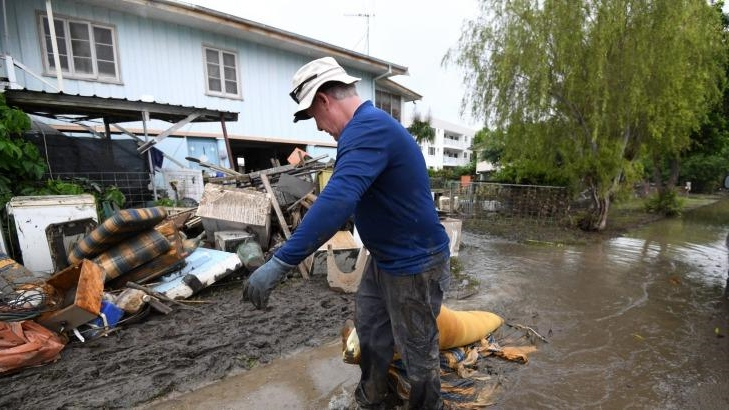
(Image Taken From Brisbane Times)
In light of the devastating flood in the tropic region, GCG would like to spread awareness to those affected about a disease called Melioidosis, caused by bacteria found in contaminated water and soil.
The cleanup and rectification from the recent flooding in Townsville continues, with heavy assistance from GCG consultants who were stationed in the region. Adding to a challenging situation, cases of bacterial infection: melioidosis, has been on the rise. Since the flooding event, one person has died from melioidosis and over 10 others have been diagnosed with the disease. For this reason, we are hoping to improve understanding of this disease as it can be avoided.
Background on Melioidosis
The condition, Melioidosis, is caused by a bacterium called Burkholderia pseudomallei. The bacterium is endemic to the tropics, i.e. north of the Tropic of Capricorn. Melioidosis can occur in southern parts of Australia as well, but this is normally from bacteria being carried to those regions. Melioidosis-causing bacteria are commonly found in surface layers of soil and muddy waters. Due to the flooding event in Townsville, the soil has been extensively disrupted, and with it the bacteria.
Health effects following exposure can occur rapidly, with coughing, breathing difficulties, fever and pneumonia. Other less common cases have seen health effects present months or years following exposure, with skin infections and ulcers as well as abscesses in internal organs presenting. Most cases require hospitalisation, where severe cases may be fatal.
Although exposures to soil and muddy water are common, only a few who come into contact with the bacteria contract Melioidosis, or present with health effects. Those at greater risk of becoming ill are those with underlying health conditions such as diabetes, lung/kidney disease, cancers, lowered immunity and those with excessive alcohol intake.
In an occupational setting, those workers in the tropics who may inhale or come into skin contact or inhale with soils/water have the highest potential for exposure to the bacteria. Roles such as defence, environmental samplers, pump crews and some civil construction workers are considered to have an increased likelihood of exposure to Melioidosis.
The sampling of water and soils for Melioidosis bacteria can assist in confirming the presence, but there are few specialist laboratories in Australia who are able to perform the analysis.
How to protect yourself
Unfortunately, there is no vaccine to prevent the disease, so preventative controls such as protective clothing and covering abrasions/sores with a waterproof dressing are critical to prevent exposure.
(Image Taken from The New Daily)
If you are working in flood-impacted tropical regions, wearing the following protective clothing may reduce the possibility of contracting melioidosis:
Enclosed waterproof footwear
Long pants
Waterproof gloves
Long sleeve shirt
Cover all open wounds with water-tight/water-proof bandages
If your immune system may be compromised, it is safest to rest during the recovery effort to reduce the risk of being exposed to the bacteria.
When wearing additional clothing and equipment in hot and humid areas always remember to consider your hydration and rest breaks.
A Lower Diesel Exposure Limit is Coming — and More Workplaces will be Affected
Australia is introducing a new set of mandatory Workplace Exposure Limits (WELs) for airborne contaminants, which will come into effect on 1 December 2026. These will replace the current Workplace Exposure Standards (WES) with updated, and in many cases stricter,…
A Complete Hygiene Management System in One Integrated Platform Across the mining industry, senior leaders carry increasing accountability for occupational health outcomes, yet often lack clear, timely visibility into the risks they are responsible for managing. Exposure related health risks…
Is all WEL? What do the Proposed Exposure Limits Mean for Mining?
At the recent Australian Institute of Occupational Hygienists (AIOH) Conference, GCG occupational hygienists Paul Richardson and Peter Franchina prepared a poster examining the potential impact of proposed changes to Australia’s workplace exposure limits. Their work examined a question that may not…
There’s been a lot of focus in recent years on respirable crystalline silica – and for good reason. Across Australia and globally, dust exposure is coming under heavier scrutiny, and the need for more responsive, data-driven approaches to managing dust…
Substitution gone wrong – a case study of hexavalent chromium occurrence in exhaust systems
Calcium chromate is a toxic, yellow coloured powdery compound. It is a strong oxidising agent and can be used as a corrosion inhibitor and to depolarise batteries. It is also produced when chromium is present with an oxidant, such as…